
CONCRETE 101
Understanding the Material That Builds Our Communities.
From highways and bridges to homes, commercial buildings, and public infrastructure, concrete is one of the most versatile construction materials in use today. Explore how concrete works, where it's used, and why its strength, durability, and adaptability make it an essential part of modern construction.
WHAT IS CONCRETE?
A Material Built for Strength and Versatility
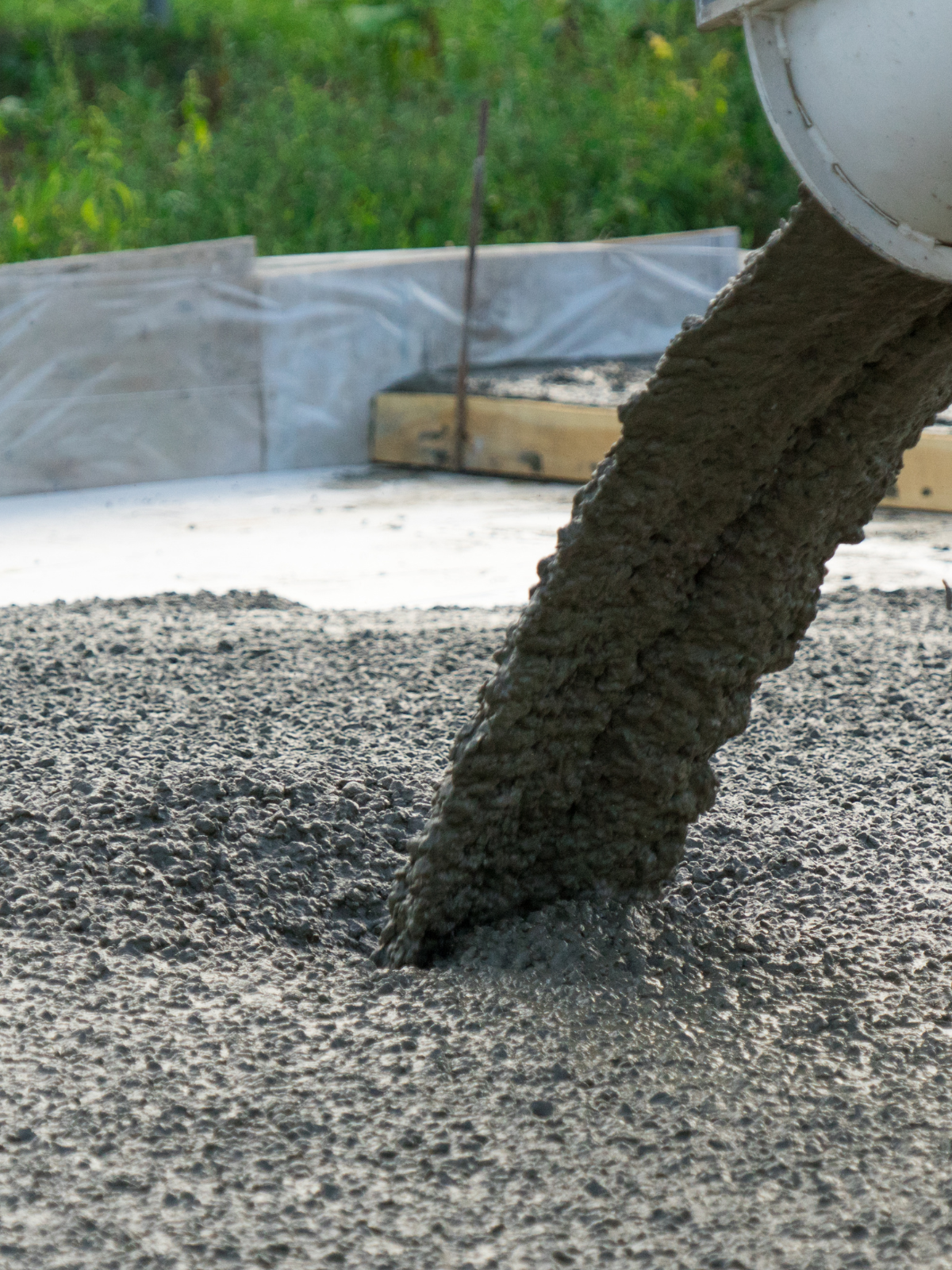
Concrete is a composite construction material made from cement, water, and aggregates such as sand, gravel, or crushed stone. When mixed, cement and water undergo a chemical reaction called hydration, binding the aggregates together as the concrete hardens and gains strength.
Concrete can be placed and shaped for a wide variety of applications, from roads and foundations to bridges and structural building systems. Its properties can be tailored through mix design, reinforcement, and specialized materials to meet specific project requirements.
THE BENEFITS OF CONCRETE
Why Choose Concrete?
Durability
Properly designed and constructed concrete can provide decades of reliable performance. Its resistance to wear, weathering, and heavy loads makes it a valuable material for buildings, pavement, and infrastructure.
Resilience
Concrete's strength and noncombustible properties can contribute to structures designed to withstand fire, severe weather, and demanding environmental conditions. Appropriate engineering and construction remain essential to overall resilience.
Versatility
Concrete can be formed, reinforced, and engineered for a wide variety of uses—from architectural features and residential construction to highways, bridges, and commercial facilities.
Long-Term Value
Concrete's durability and service life can help reduce maintenance and replacement needs. Evaluating initial construction costs alongside maintenance, performance, and life-cycle requirements helps project teams make informed decisions.
CONCRETE APPLICATIONS
Concrete Solutions for Every Type of Project
Concrete supports a wide range of construction applications, each with its own design and performance requirements. From transportation pavements to innovative residential building systems, explore the ways concrete contributes to the built environment.
Roads & Highways
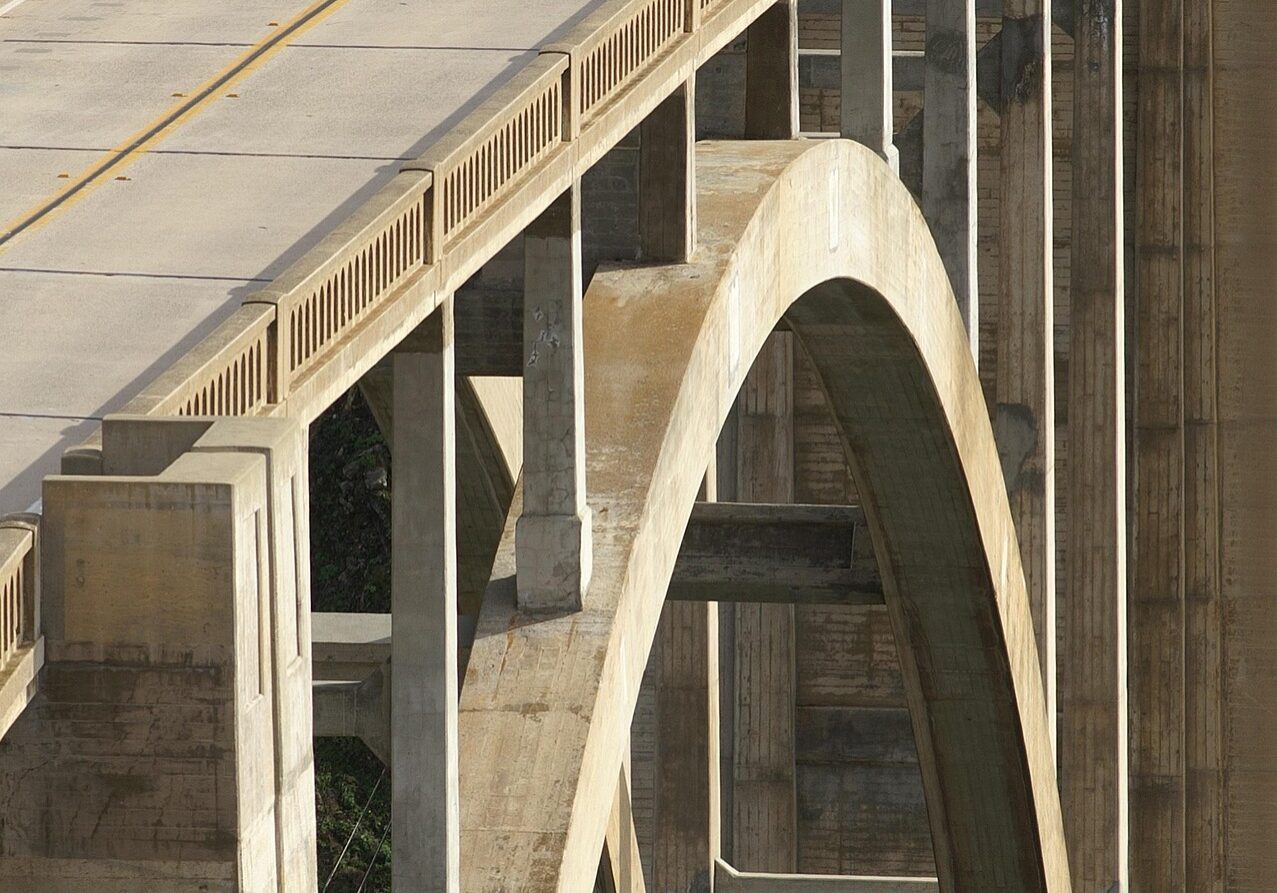
Concrete pavement provides solutions for highways, municipal streets, intersections, and transportation corridors. Proper pavement design considers traffic volumes, heavy vehicle loads, environmental conditions, drainage, and maintenance requirements to support reliable performance over the roadway's service life.

Commercial & Industrial Paving
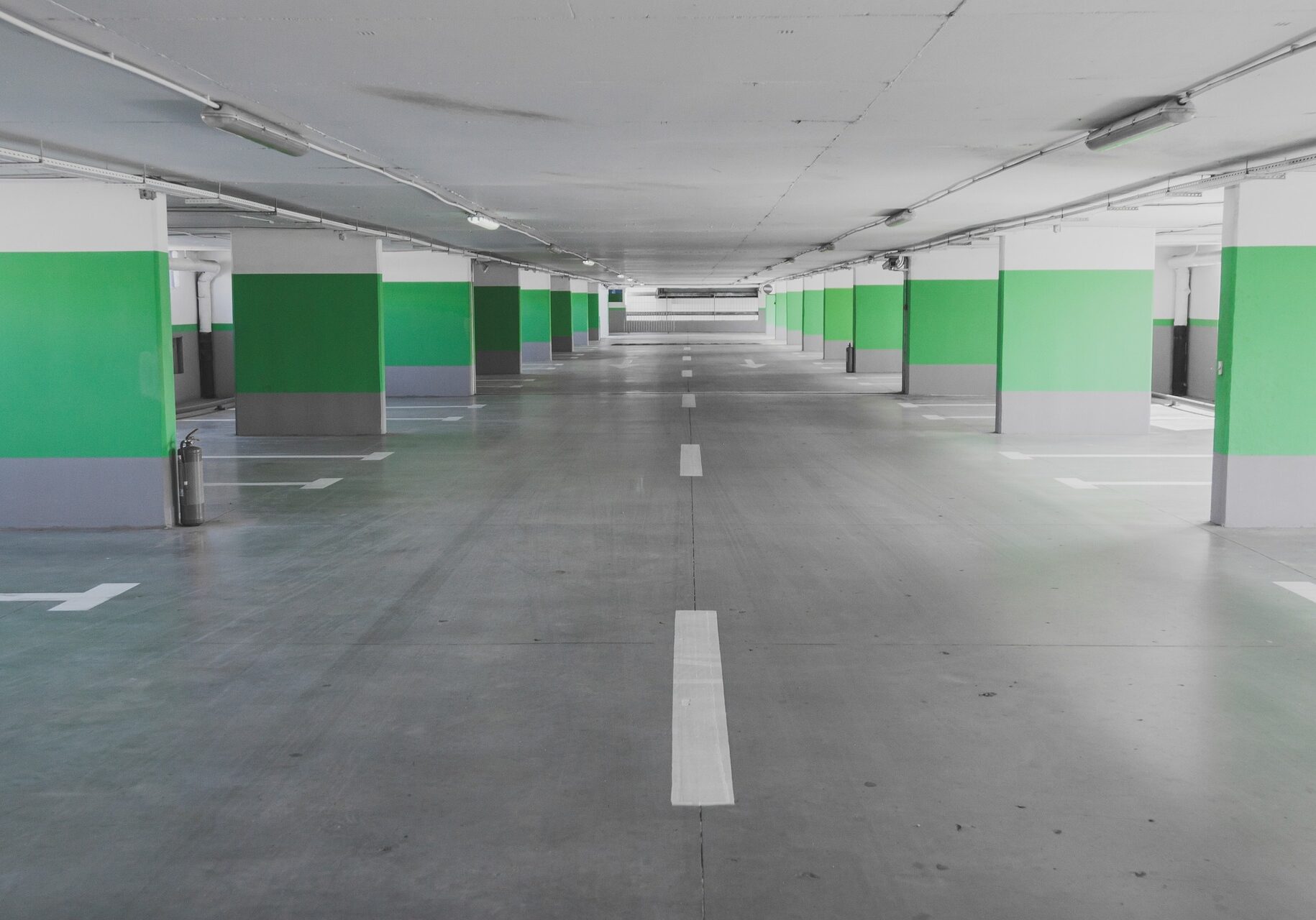
Commercial parking lots, industrial yards, distribution centers, manufacturing facilities, and heavy-duty loading areas require pavement designed for demanding conditions. Concrete offers durable paving options for passenger vehicles, delivery trucks, heavy equipment, and high-traffic operations.

Residential, Commercial & Industrial Buildings
Concrete is used in homes, multifamily housing, offices, warehouses, manufacturing facilities, and other buildings. From foundations and structural systems to Insulated Concrete Forms (ICF) and Insulated Composite Concrete Forms (ICCF), concrete construction offers options for strength, fire resistance, energy performance, and long-term durability.

Infrastructure & Public Works
Concrete plays a critical role in bridges, water systems, utilities, public facilities, and transportation infrastructure. Its versatility allows engineers to design structures for demanding conditions while considering strength, service life, maintenance, and long-term community needs.
INDUSTRY RESOURCES
Explore Concrete Knowledge & Resources
Explore educational materials, technical guidance, and industry research from organizations working to advance concrete construction. These resources cover concrete materials, pavement design, residential, commercial, and industrial building systems, and emerging construction technologies.
NRMCA Resources
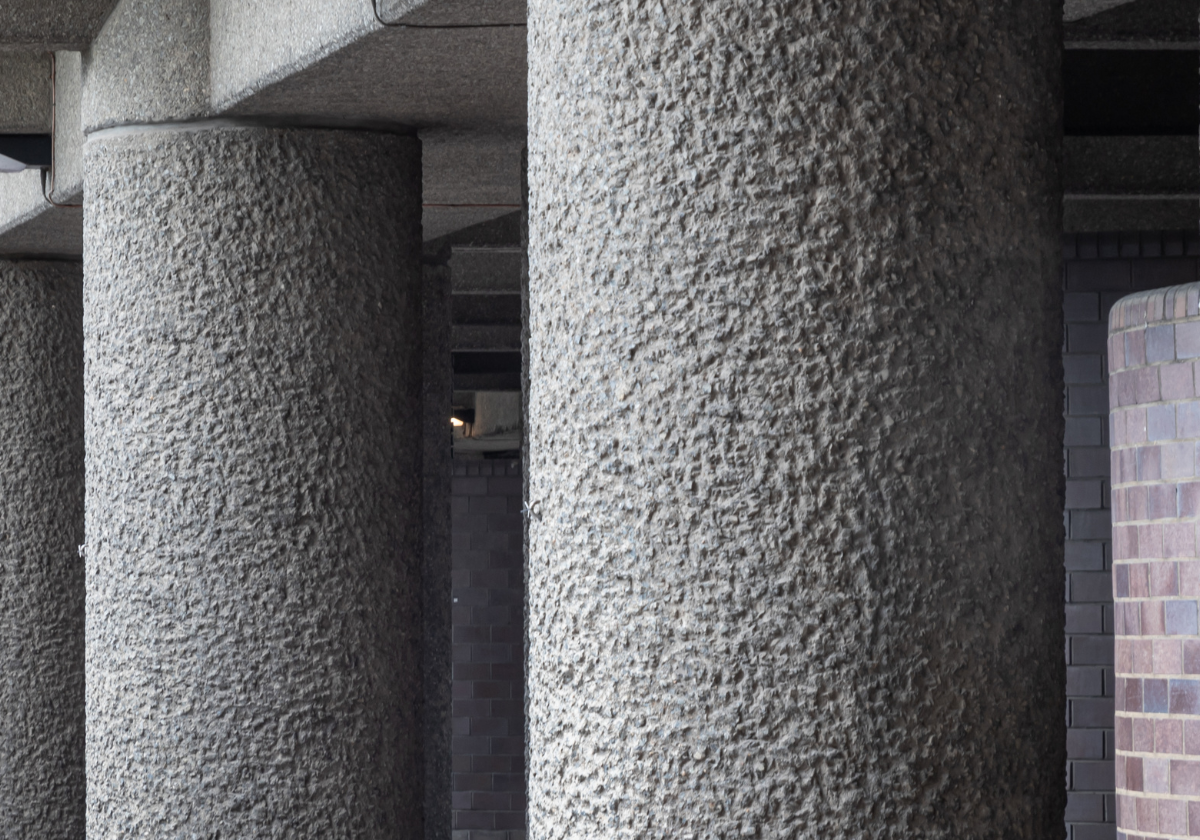
Explore national concrete education, technical publications, industry research, and design resources supporting residential, commercial, industrial, and infrastructure projects.
Pave Ahead
Explore educational and technical resources supporting concrete pavement design and construction for highways, local roads, commercial parking areas, and industrial facilities. Pave Ahead helps project teams evaluate concrete paving solutions and long-term performance.
Build With Strength
Discover resources highlighting concrete's strength, resilience, and performance in residential, commercial, and industrial buildings, including education on modern concrete construction systems.
California Nevada Cement Association (CNCA)
Explore information about cement and concrete production, sustainability initiatives, lower-carbon construction materials, and technical resources supporting quality concrete applications throughout California and Nevada.
Nudura ICF Education
Learn about insulated concrete form (ICF) construction, building applications, installation practices, and the role of concrete in energy-efficient and resilient building systems.
Southwest Concrete Pavement Association
Discover educational and technical resources focused on concrete pavement design, construction, maintenance, and long-term performance. These materials support engineers, contractors, and public agencies considering concrete for transportation and infrastructure projects.
Explore SWCPA